Tidy Tanny says NO to fly-tipping
Pull into any lay-by in West Sussex, or further afield, and there’s a high chance you’ll see rubbish. Maybe it’s overflowing public bins, or food and drink wrappers thrown out of car windows. Or even worse, the scourge of fly-tipping: big piles of waste left by people who have charged someone to take it away, or by householders who simply can’t be bothered to get rid of it properly, or don’t want to pay for it to be taken away.
In this blog we’ll look at how big the problem is round here, how you can make sure your rubbish doesn’t end up in a lay-by, and why it’s so often mattresses and sofas you see dumped at the side of the road.
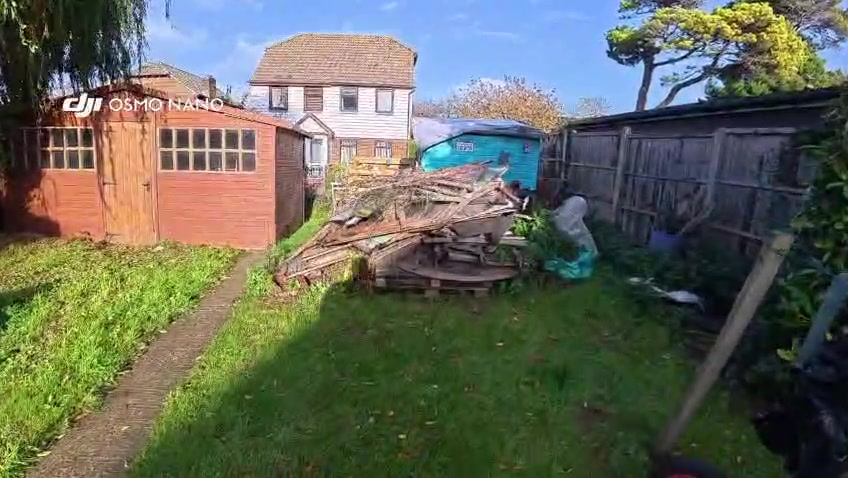
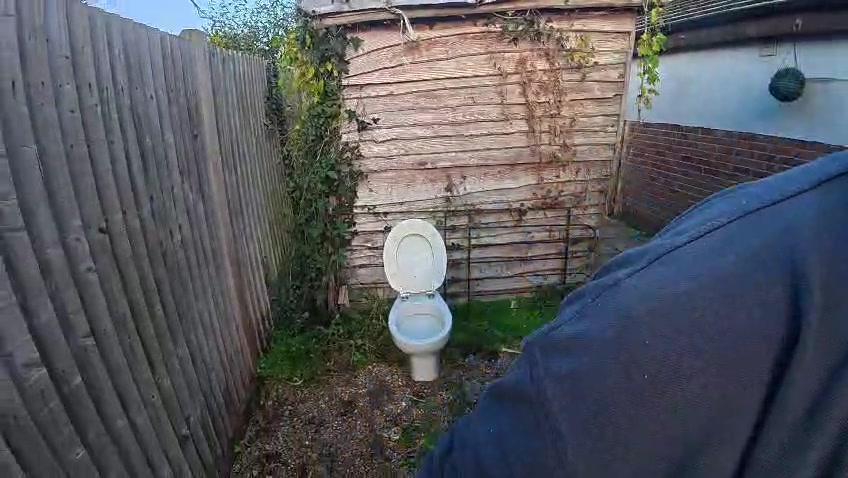
We’ve just done a job in Yapton that shows how it should be done. There was a mountain of old wood, a sink, a shower screen and even a toilet. It took about 90 minutes to load it all into the Tidy Tanny Tipper. Then we took it to SCS Waste, where it went over the weighbridge at 620 kg and was tipped, sorted and dealt with properly. We filmed the whole thing, toilet and all, for our YouTube channel.
Fly-tipping in West Sussex: the numbers
West Sussex councils dealt with 7,677 fly-tips in 2023, at a clean-up cost of more than £570,000. Arun, which covers Yapton, Littlehampton and Bognor, was the worst-hit district, with 2,035 incidents costing £151,117 to clear. Worthing had 798 and Adur 1,014.
Across England it is getting worse. Councils recorded almost 1.26 million fly-tips in 2024/25, up 9% on the year before and the highest since current recording began. Household waste made up 62% of them, so a lot of it comes from ordinary homes, often handed to the wrong person.
Why it’s always mattresses and sofas
Ever wondered why the same things keep turning up at the roadside? Sofas and mattresses are some of the hardest and most expensive things to get rid of, so they’re exactly what the cowboys dump.
Sofas and armchairs (POPs waste). Since January 2023, the Environment Agency has said old upholstered seating has to be burned rather than landfilled. Tests found the foam and fabric can contain persistent organic pollutants, or POPs: chemicals once used as flame retardants that stay in the environment for a very long time. Sofas, armchairs, office chairs, beanbags and cushions all count. They can’t be reused or recycled as waste, and they can’t be mixed with other rubbish. If one does get mixed in, the whole load has to be treated as POPs waste. That means extra handling, separate storage and higher costs at the waste site.
Mattresses. Mattresses don’t fall under the POPs rules, but they’re a headache for another reason: the springs. They tangle up and damage shredding machines, so recycling is mostly done by hand. They’re bulky, can’t be squashed down, and many skip firms either refuse them or charge extra.
What it costs. For a business like ours, getting rid of a double mattress usually costs around £60 plus VAT. Householders can take mattresses and sofas to their council’s household waste recycling site for free. But plenty of people don’t have a vehicle, or one big enough, or simply aren’t physically able to move something that heavy. That’s when they look for someone to take it away, and why it pays to check who you’re handing it to.
Do the maths. On the Yapton job, after paying the tipping charge at SCS, we were left with around £150. Diesel and our other running costs come out of that too. I did the job on my own, so it just about works out. Now picture three men in a van offering to do the same job for much less. Once they’ve paid three wages and fuel, there’s nothing left to pay a tipping charge. So you have to ask yourself where your waste is really going, especially if there’s a sofa or other POPs waste in the load.
When we take sofas and mattresses, they’re kept separate and go where they’re supposed to go, and we can tell you exactly where that is.
Your waste, your responsibility
If you pay someone to take your rubbish and it turns up dumped in a country lane, you can be fined too. By law, householders have a duty of care to make sure their waste goes to someone authorised to take it.
- Householders: if your waste is traced back to you, the council can give you a fixed penalty of up to £600. Cases that go to court can bring bigger fines.
- Fly-tippers: since September 2026, councils in England can issue on-the-spot fines of up to £5,000, five times the old £1,000 limit. Courts can also now add penalty points to a fly-tipper’s driving licence.
There are plenty of good man-with-a-van services out there who do things properly. But it’s worth being careful with an unusually cheap offer on social media, or a knock at the door offering to take your rubbish for cash. If the price sounds too good to be true, make the checks below before you hand anything over.
How to check who is taking your waste
It takes two minutes and could save you a fine. You can do these checks once you’ve contacted them, but most importantly, do them before you go ahead and book.
- Ask for their waste carrier registration number. In England it starts with “CB”. A genuine business will give it to you without fuss.
- Check it on the Environment Agency’s public register at GOV.UK: find a registered waste carrier. Search by name or number.
- Ask where the waste is going. They should be able to name a licensed waste site.
- Get a receipt with their business name and details, and note the vehicle. Keep it, or take a photo.
Warning signs: cash only, no business name, no address, a private car or unmarked van, or a price far below everyone else’s.
Tidy Tanny is a fully licensed waste carrier, and our details are on our vans. Just ask and we’ll happily show you our licence. For total peace of mind, we can also give you:
- a waste transfer note
- an invoice and receipt
- copies of the tipping paperwork from the waste site, so you can see exactly where your rubbish ended up
Where your waste goes with us
We take every load to SCS Waste, a licensed waste site, and it gets weighed on arrival. Our Yapton load came to 620 kg.
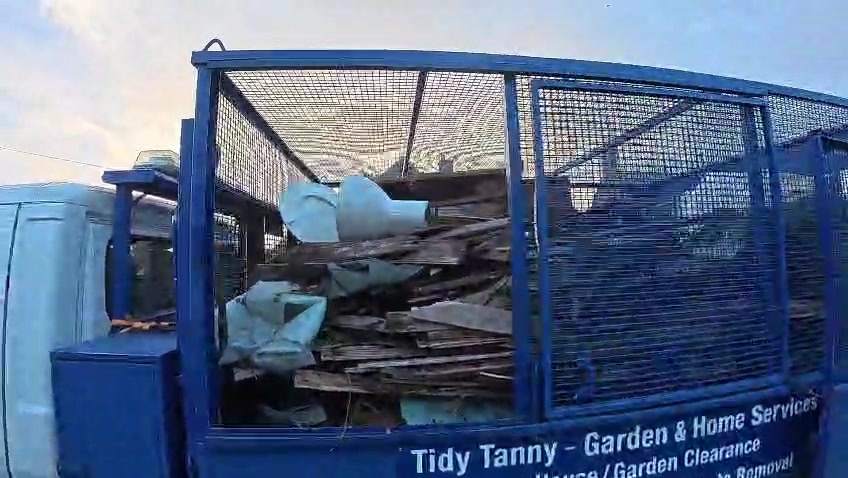
- Weighbridge: the full Tipper is weighed in, so there is a record of every load.
- Tipped and sorted: the load is tipped in the yard, then machines and staff separate out wood, metal, rubble and anything that can be recycled.
- Recycled: recyclable materials are sent on to be reused.
- Baled for power: what is left is wrapped into large black bales and sent off to be burned to make electricity, rather than going to landfill.
So your old shed, sofa or (in Yapton’s case) toilet ends up being sorted, recycled or turned into power, never dumped in a field.
Spotted fly-tipping? Report it
In West Sussex, fly-tipping on public land is reported to your district or borough council:
- Arun (Yapton, Littlehampton, Rustington, Angmering, Bognor): arun.gov.uk/report-it
- Adur and Worthing, Chichester, Horsham, Crawley, Mid Sussex: use your own council’s website
- Blocking a road or pavement: call West Sussex County Council on 01243 642105
It helps to note the date, time, exact location, what was dumped and any vehicle details. Never touch the waste or confront anyone dumping it. It could be dangerous, and it could be evidence.
Waste disposal in West Sussex: do it the right way
The good news is there are lots of honest waste disposal firms in West Sussex. I see the same vans and trucks on the road full of junk, and I see them at the waste transfer stations, so there’s always a reputable firm to help with your waste. Just make the checks above before you hand anything over.
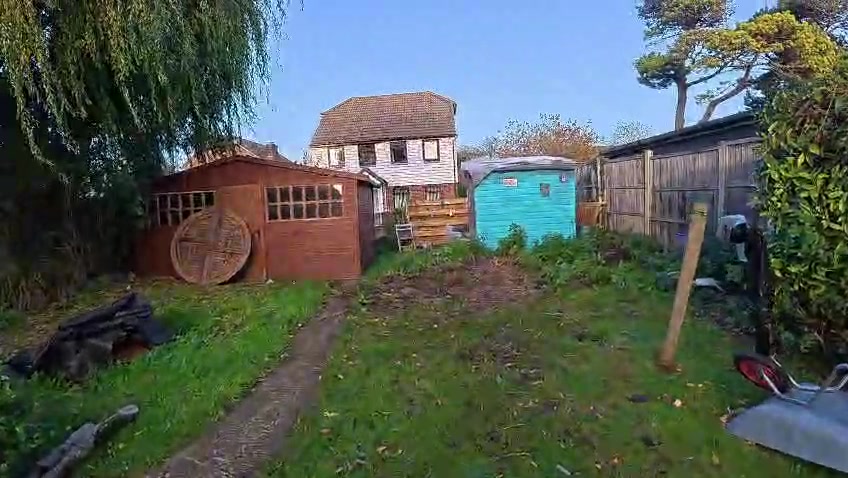
Whether it is a garden full of old wood, a garage of junk or a whole house clearance, we will load it, take it away and dispose of it legally. We cover Worthing, Goring, Ferring, Findon, Lancing, Shoreham, Angmering, Rustington, Littlehampton, Yapton, Chichester and nearby.
Call Tidy Tanny on 07494 455 606 or use the quote form at tidytanny.co.uk for a free quote. You can watch the Yapton clearance, from the toilet to the tip, on our YouTube channel.
Tidy Tanny says NO to fly-tipping. NO!